
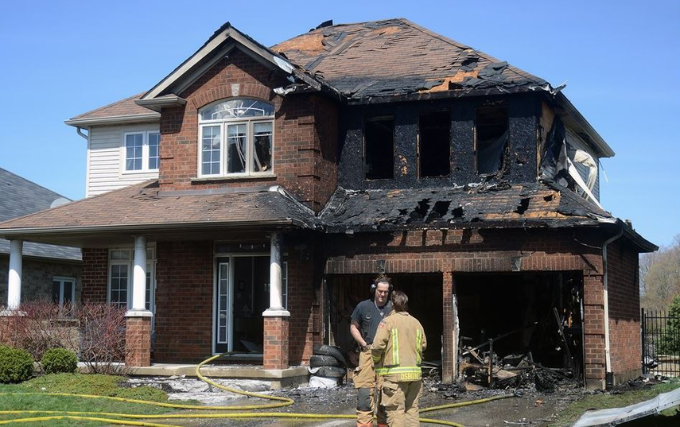
A house fire can change everything in a matter of minutes. Even after the flames are extinguished, the recovery process often becomes a long and technical journey involving inspections, demolition decisions, environmental testing, and detailed insurance reviews.
In recent years, more homeowners have chosen to work with a Fire Damage Public Adjuster to better understand how their policy applies before reconstruction begins.
Fire claims are rarely simple. Beyond structural damage, there are layers of smoke impact, water saturation from firefighting efforts, and code compliance upgrades that must all be evaluated carefully.
Fire Damage Goes Beyond What’s Visible
Many homeowners initially focus on charred framing or destroyed rooms. However, fire losses typically involve:
- Smoke penetration into insulation and duct systems
- Soot contamination on structural surfaces
- Water damage from suppression efforts
- Electrical and HVAC system compromise
- Structural weakening from high heat
Because of these overlapping damage categories, fire claims often require multiple inspections and detailed repair scopes.
A Fire Damage Public Adjuster reviews how each category of damage aligns with policy provisions, helping ensure that hidden or secondary impacts are not overlooked.
The Challenge of Smoke & Soot Contamination
Smoke damage is one of the most misunderstood aspects of fire claims. Even in areas where flames never reached, smoke can:
- Embed into porous materials
- Affect indoor air quality
- Require specialized cleaning or replacement
- Cause corrosion in electronics and wiring
Insurance policies may treat cleaning, sealing, or full replacement differently depending on the level of contamination.
This complexity is one reason homeowners often begin searching for a Public Insurance Adjuster Near Me shortly after a fire event – especially when they need local expertise familiar with regional rebuilding standards.
Code Upgrades & Reconstruction Costs
In many areas, rebuilding after a fire triggers updated building code requirements. These may include:
- Modern electrical systems
- Fire-resistant materials
- Updated roofing standards
- Structural reinforcement
Some insurance policies include ordinance and law coverage to address these upgrades, while others contain limitations.
A careful review of these provisions can significantly affect rebuilding budgets and timelines.
Inventory Documentation: A Major Fire Claim Component
Fire losses often involve extensive personal property damage. Creating a detailed inventory requires documenting:
- Furniture and electronics
- Clothing and household goods
- Appliances and specialty items
- Business property (for mixed-use buildings)
This process can be emotionally overwhelming, especially after displacement.
Many homeowners searching for a Public Insurance Adjuster Near Me are looking for guidance on organizing and documenting these losses in a structured manner.
A Growing Trend Toward Structured Claim Management
As reconstruction costs rise and insurance policies become more detailed, homeowners are increasingly approaching fire claims with a proactive mindset. Early documentation, independent inspections, and careful policy review are now common steps in the recovery process.
Firms such as AlliedPA assist property owners in navigating the technical aspects of fire-related property claims, helping them better understand coverage and documentation requirements.
Final Perspective
Fire losses are among the most complex property claims a homeowner can face. Structural damage, smoke contamination, code upgrades, and personal property inventories all intersect within a single claim.
Working with a Fire Damage Public Adjuster – or consulting a trusted Public Insurance Adjuster Near Me – allows homeowners to approach the rebuilding process with clearer insight into their policy terms and repair scope.
In today’s environment of rising construction costs and detailed coverage language, informed claim preparation is a critical part of moving toward a fair settlement based on policy coverage.
